




2020 Bada Mountain Raw Puer Tea (8g Pearls)
Out of stock
Price range: $8.00 through $26.00
2020 Bada Mountain Raw Puer Tea (8g Pearls)
Origin and History of Bada Mountain
Bada Mountain, located in the western part of Menghai County, is renowned for its rich tea culture and history. Its name, which means "a place where immortals have trodden" in the Blang language, reflects its mythical significance. Bada is home to a diverse ethnic population, including the Hani, Blang, and Lahu peoples of Southwest China. The mountain's topography, resembling an elephant, earned it the nickname "Elephant Mountain." Over the years, Bada has been recognized as one of the most significant areas for wild ancient tea trees in Xishuangbanna Prefecture. The discovery of a 1700-year-old wild tea tree in 1962 further solidified Bada's status as a hub of tea heritage and biodiversity.
Flavor Profile of Bada Tea
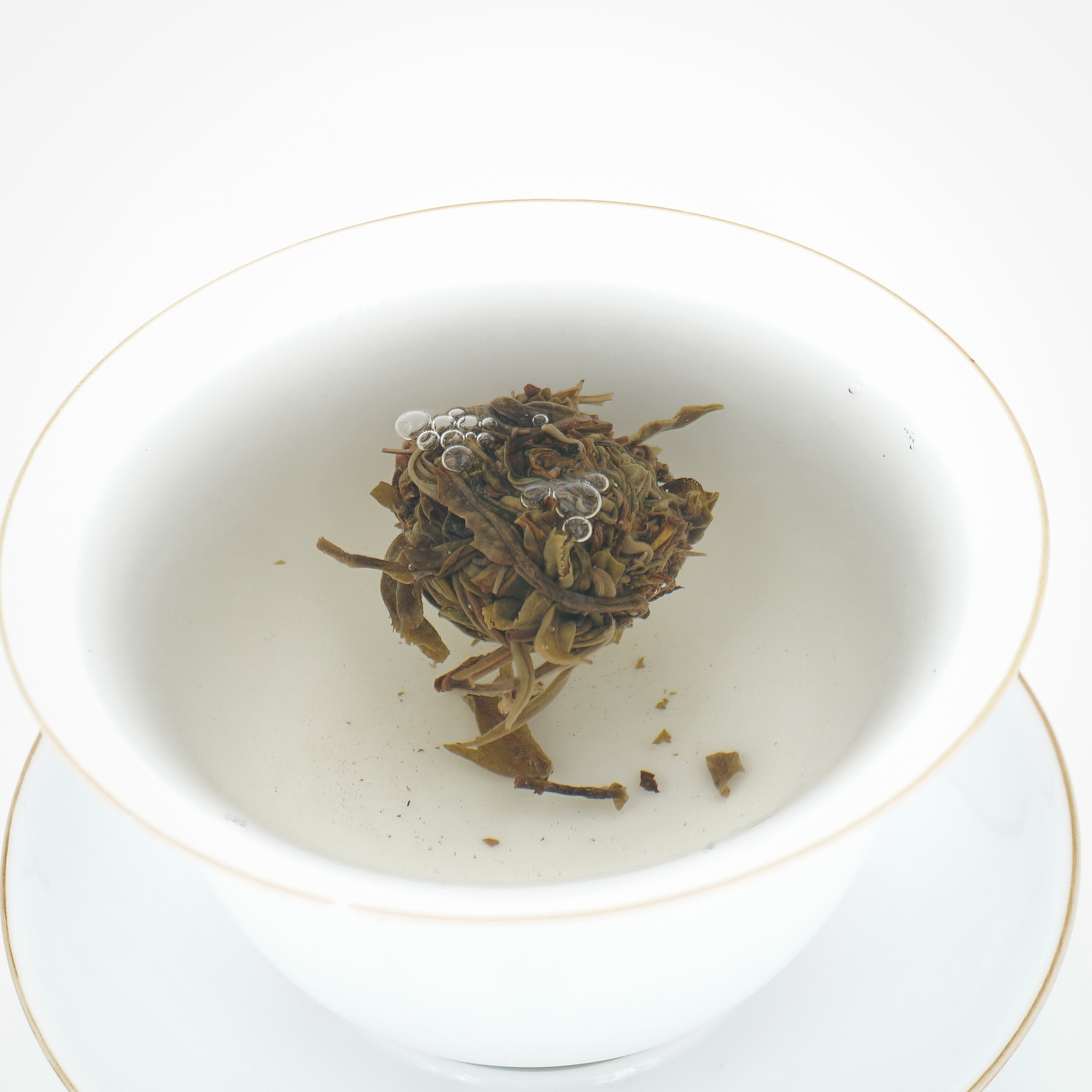
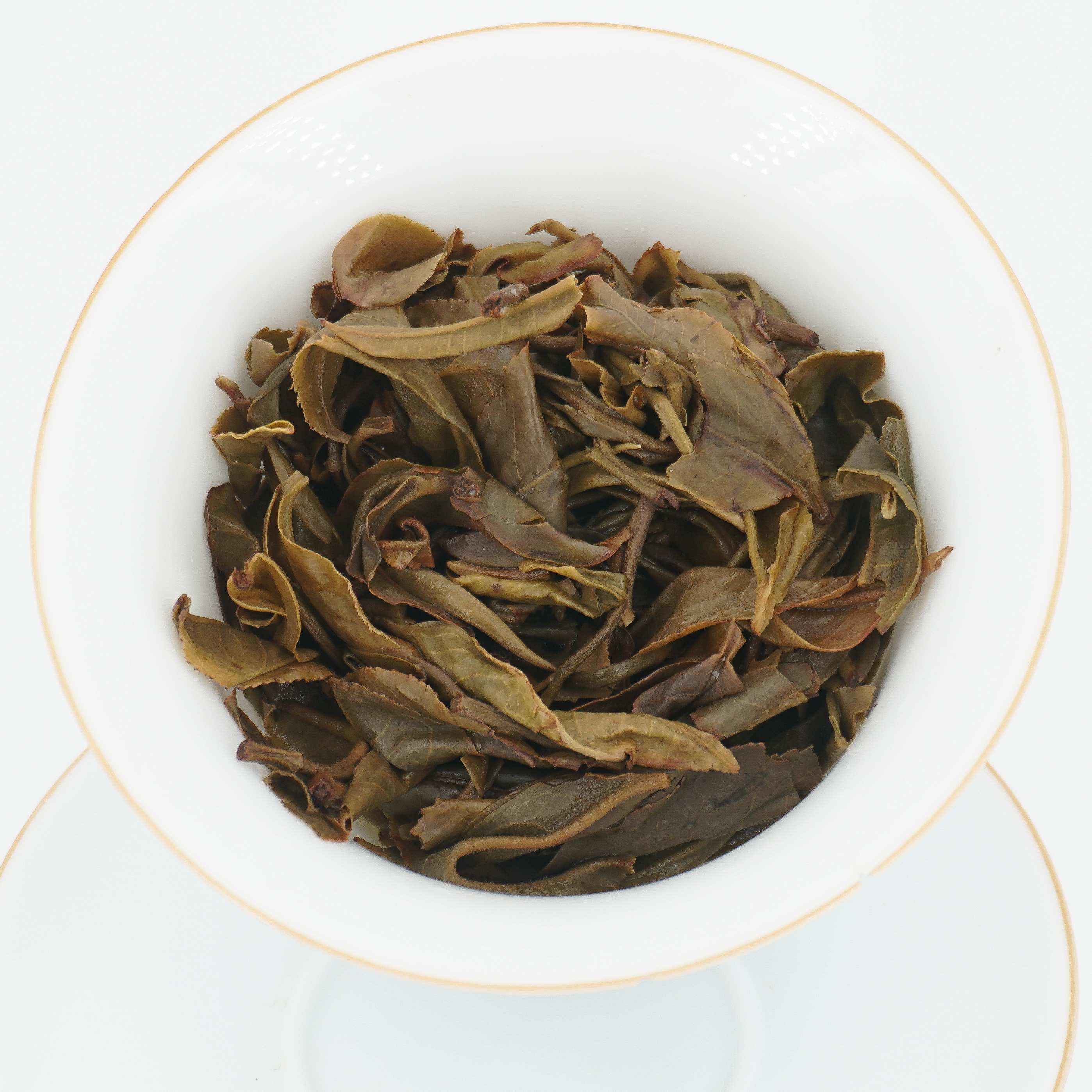
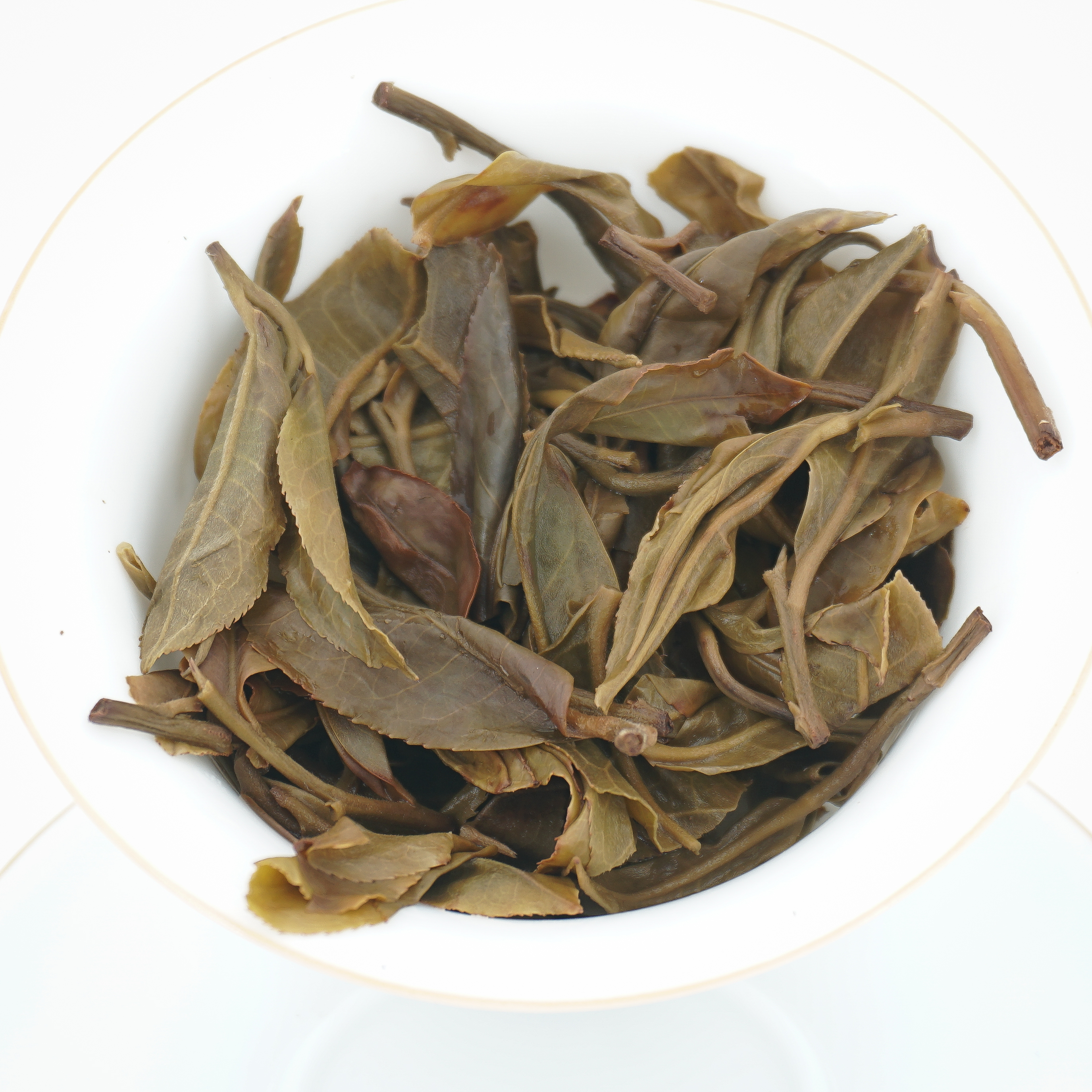
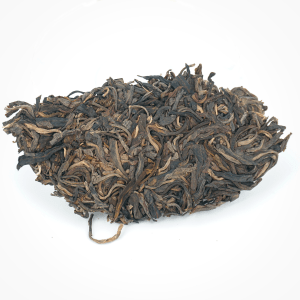
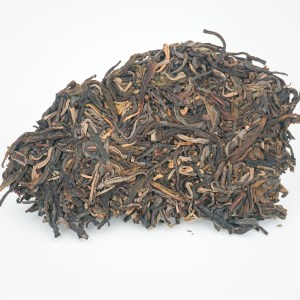
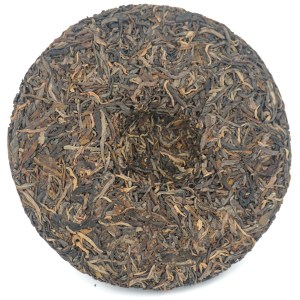
Leaf Appearance: Bada tea exhibits dark, tightly twisted leaves, with a glossy appearance. They have been hand-rolled into single serving-size 8 gram pearls. Infused tea leaves are elliptical in shape, with raised surfaces and a soft texture.
Aroma: The tea exudes a robust mountain aroma, characterized by its pure and distinct fragrance. Upon brewing, the aroma fills the room with a rich cooling floral scent, with notes of jasmine and honeydew.
Taste: Bada tea offers a complex and balanced taste profile that is both soft and full-bodied in texture. Initially, it may present a mild bitterness on the palate, which gradually gives way to a smooth and lingering sweetness. The tea leaves a refreshing and satisfying aftertaste, indicative of its high-quality and unique flavor profile.
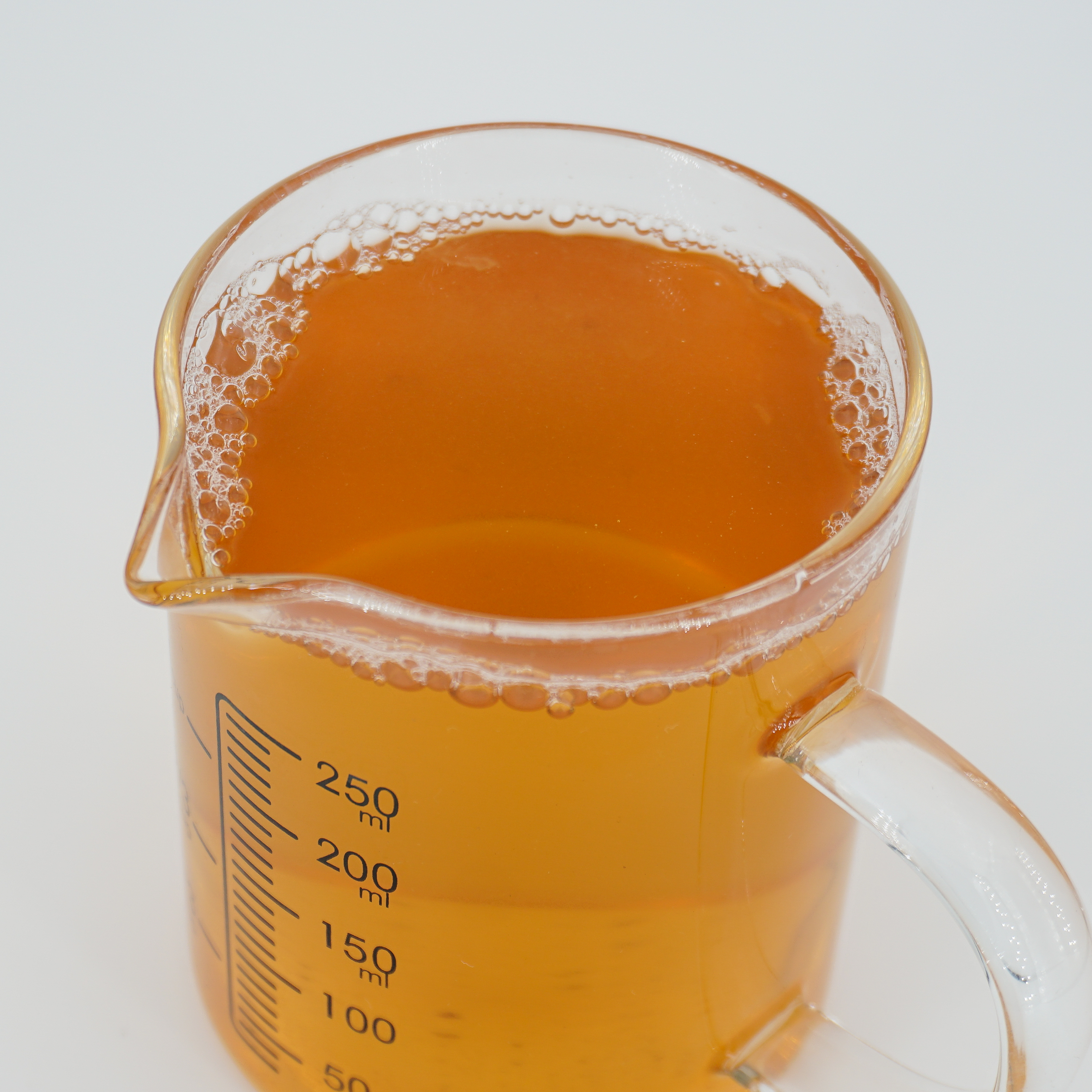
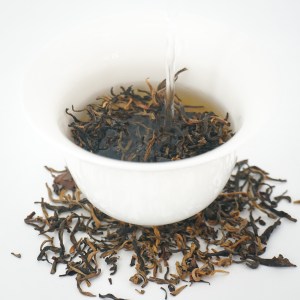
Infusion Appearance: When brewed, Bada tea produces a bright golden soup with evenly distributed yellow-green leaves. The soup is full-bodied, smooth, and rich, with a captivating clarity that reflects its purity.
For a deep dive on tea quality assessment, see Chapter 4 of the Masterclass on Tea
How to Prepare Bada Tea Pearls
To fully appreciate the nuanced flavors and aromas of Bada tea, it is recommended to use the gongfu tea method, which involves brewing the tea in a gaiwan or small clay teapot. Here's a simple guide to preparing Bada tea using the gongfu method:
- Preheat: Rinse the gaiwan or teapot with hot water to preheat it and enhance the tea's aroma.
- Place 1 pearl (~8 grams) of Bada tea leaves into the preheated vessel.
- Water Temperature: Heat water to around 195-205°F (90-96°C), suitable for brewing Raw Puer tea.
- First Infusion: Pour hot water over the tea leaves and discard the first infusion (this is called rinsing the leaves). This helps to awaken the tea, and loosen the tightly wrapped leaves of the Bada tea pearl.
- Subsequent Infusions: Pour hot water over the leaves again and steep for about 20-30 seconds for the first few infusions. With each infusion, the pearl will slowly unfold and the flavor profile will gradually expand and evolve. Eventually, the pearly will completely open and be able to release its full flavor. Adjust the steeping time according to personal preference and the desired strength of the tea.
- Enjoy: Pour the brewed tea into small cups and savor the exquisite flavors and aromas of Bada tea.
For a refresher on tea infusion practice and theory, see Chapter 5 of the Masterclass on Tea
Food Pairings for Bada Tea
Bada tea's balanced flavor profile makes it a versatile beverage that complements a variety of food pairings. Here are several suggestions for pairing Bada tea with different cuisines:
- Chinese Dim Sum: Bada tea's robust flavor and smooth texture make it an excellent accompaniment to savory dim sum dishes such as steamed dumplings, spring rolls, and shrimp siu mai. The tea's refreshing aftertaste cleanses the palate between bites, enhancing the overall dining experience.
- Sushi and Sashimi: The delicate flavors of sushi and sashimi are enhanced by the clean and refreshing qualities of Bada tea. Its mild bitterness and sweet aftertaste complement the subtle flavors of raw fish, while its smooth texture balances the richness of soy sauce and wasabi.
- Cheese Platter: Bada tea pairs beautifully with a selection of cheeses, including aged cheddar, Gouda, and Camembert. The tea's robust flavor and lingering sweetness offset the saltiness of the cheese, creating a harmonious contrast of flavors.
- Fresh Fruit: Bada tea's bright and fruity notes complement the natural sweetness of fresh fruits such as berries, citrus, and melons. Enjoy a refreshing cup of Bada tea alongside a platter of seasonal fruits for a delightful and rejuvenating snack.
- Dark Chocolate: The rich and complex flavors of dark chocolate are enhanced by the subtle bitterness and sweet aftertaste of Bada tea. Indulge in a decadent pairing of Bada tea with high-quality dark chocolate for a luxurious and satisfying treat.
Experiment with different food pairings to discover your favorite combinations and unlock the full potential of Bada tea's exquisite flavors and aromas. Whether enjoyed on its own or paired with your favorite dishes, Bada tea promises a memorable and immersive tea-drinking experience.
Additional information
| Weight | N/A |
|---|---|
| Size | 3 Pearl Sampler, 12 Pearl Pouch |



Reviews
There are no reviews yet.