



2022 Old Arbor Hekai Raw Puer (8g Pearls)
Price range: $13.50 through $44.00
1. History and Geography of Hekai Raw Puer Tea Production
Hekai Tea Mountain is nestled in the lush hills between the famous Banzhang Tea Mountain and Nannuo Mountain. The region, rich in biodiversity and history, is home to ancient tea trees that thrive between elevations of 1400-1700 meters. The tea mountain spans across seven villages in the Hekai area, including Bangpen, Manmai, and Manlong, with over 9,100 acres of ancient tea gardens. The tea trees here are often found growing alongside the homes of the Lahu ethnic group, whose ancestors have been cultivating tea in this region for centuries.
The oldest trees in the region date back over 800 years, and many tea gardens still maintain their traditional form, interwoven with the natural landscape, creating a picturesque setting. These ancient trees are an integral part of the local ecology, with abundant commensal plants such as orchids and moss growing on the trunks, contributing to the distinctive flavor profile of Hekai tea. The surrounding forest and the community's sustainable farming practices have preserved this ecosystem for generations.
2. Processing of Hekai Raw Puer Tea
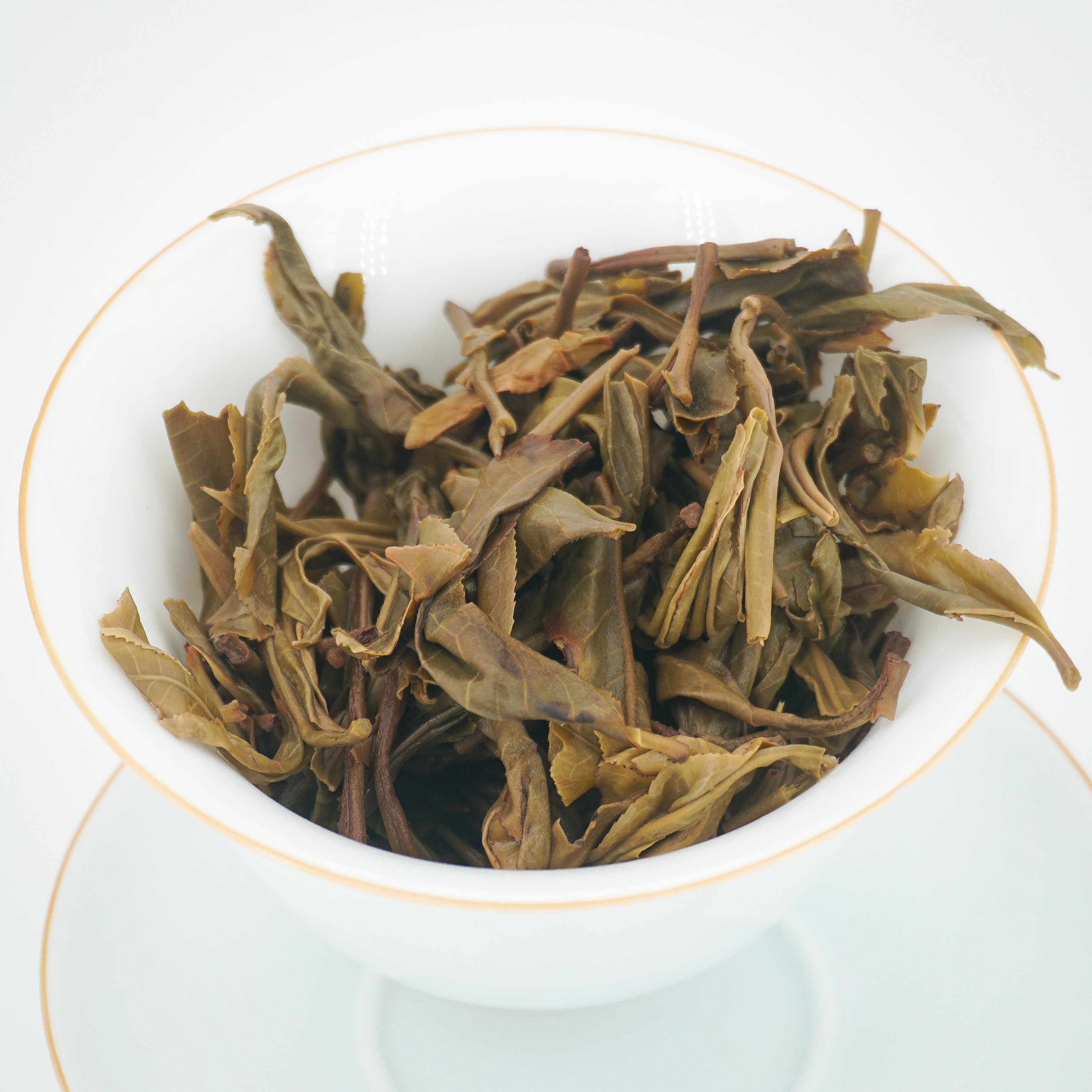
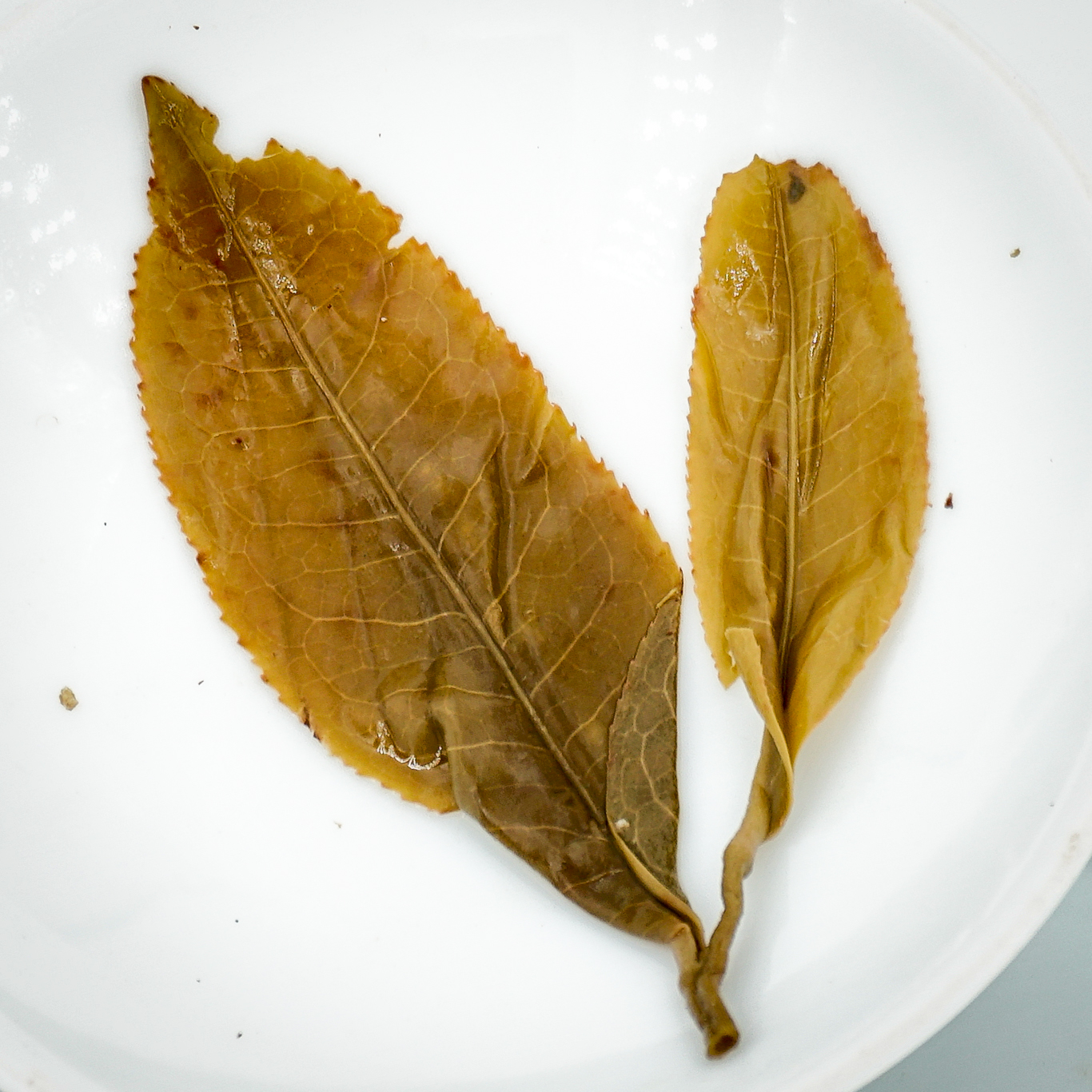
The production of Hekai Raw Puer Tea involves traditional techniques honed over centuries. The tea is made from ancient, wild-grown tea trees that produce long, slender leaves with a glossy dark green appearance. After harvesting, the leaves undergo a series of traditional processing steps: wok-firing, rolling, and drying. The process is carefully controlled to preserve the natural flavors of the tea, while also enhancing its complex aromas and smoothness.
Hekai Raw Puer Tea typically includes an aging process, which allows it to develop a rich, smooth flavor profile. This extended post-drying time helps solidify the robust mountain fragrance and "wild" essence of the tea. The leaves are typically harvested in late-March through mid-April, during the spring tea-picking season, when the leaves are tender and packed with flavorful tea leaf nutrients. The harvest time for this Hekai Raw Puer Tea was April 2022.
For a refresher on tea processing, including wok-firing, rolling, and drying steps involved in Hekai tea production, see Chapter 3 of the Masterclass on Tea.
3. Flavor Profile and Quality Attributes of Hekai Raw Puer Tea
Dry Leaf Appearance
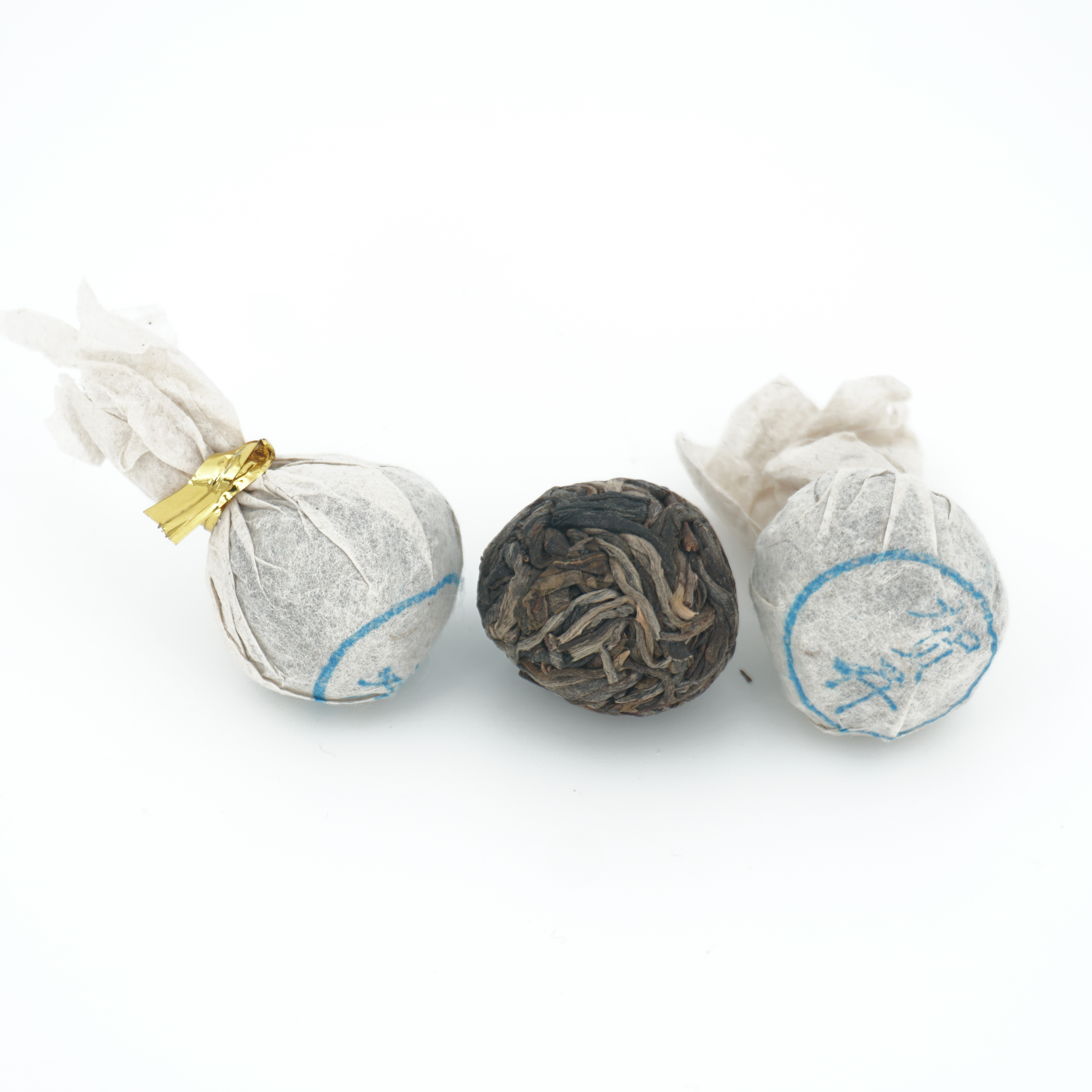
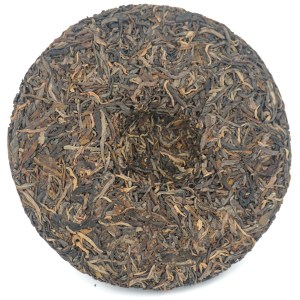
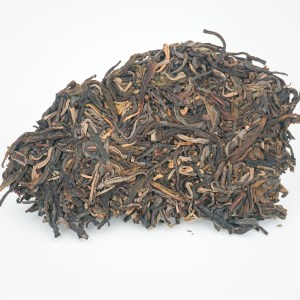
The dry leaves of Hekai Raw Puer Tea are long, slender, dense, and tightly rolled, exhibiting a dark, lustrous sheen. The leaves appear crisp and fresh, hinting at their high-quality and well-preserved nature. Upon inspection, the leaves show subtle variations in size and shape, indicative of the natural, unaltered growing environment.
Soup Appearance
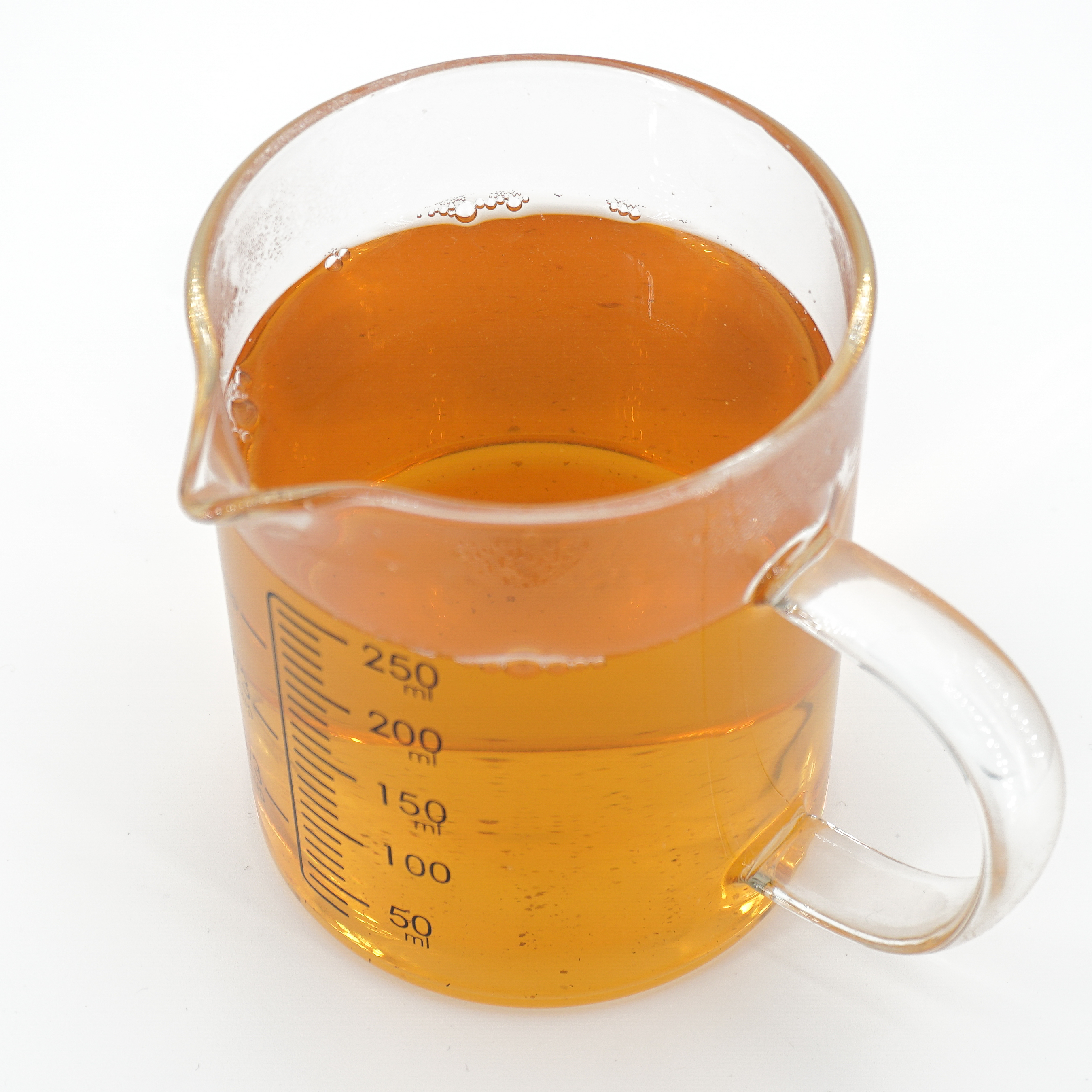
Once brewed, the tea produces a bright, golden-yellow liquor that is clear and radiant. The clarity of the soup is a testament to the high-quality processing and careful handling of the leaves. The vibrant hue is a hallmark of fresh, high-altitude teas, and it catches the light beautifully in any teapot or cup.
Aroma
The aroma of Hekai Raw Puer Tea is one of its most distinctive features. On the dry leaf, there is a subtle floral fragrance, reminiscent of wild orchids. The brewed tea releases a complex bouquet, with layers of floral notes, fresh herbs, oats, and a slight honey-like sweetness. The lingering fragrance in the empty cup is strong, long-lasting, and becomes especially noticeable after several infusions.
Taste
The taste of Hekai Raw Puer Tea is well-balanced, with a noticeable bitterness at the beginning that quickly transforms into a smooth, rich, and creamy sweetness, supported by a savory undertone. The bitterness is gentle, not overwhelming, and fades into a long-lasting, subtly astringent aftertaste. The texture is full-bodied, with a pleasant, almost velvety mouthfeel, and the tea leaves a refreshing sensation in the throat. As you continue to brew the leaves, the sweetness becomes more pronounced, offering a pleasant balance between the initial bitterness and the creamy finish.
For a full tutorial on the formal process of tea quality assessment, see Chapter 4 of the Masterclass on Tea
4. How to Prepare Hekai Raw Puer Tea
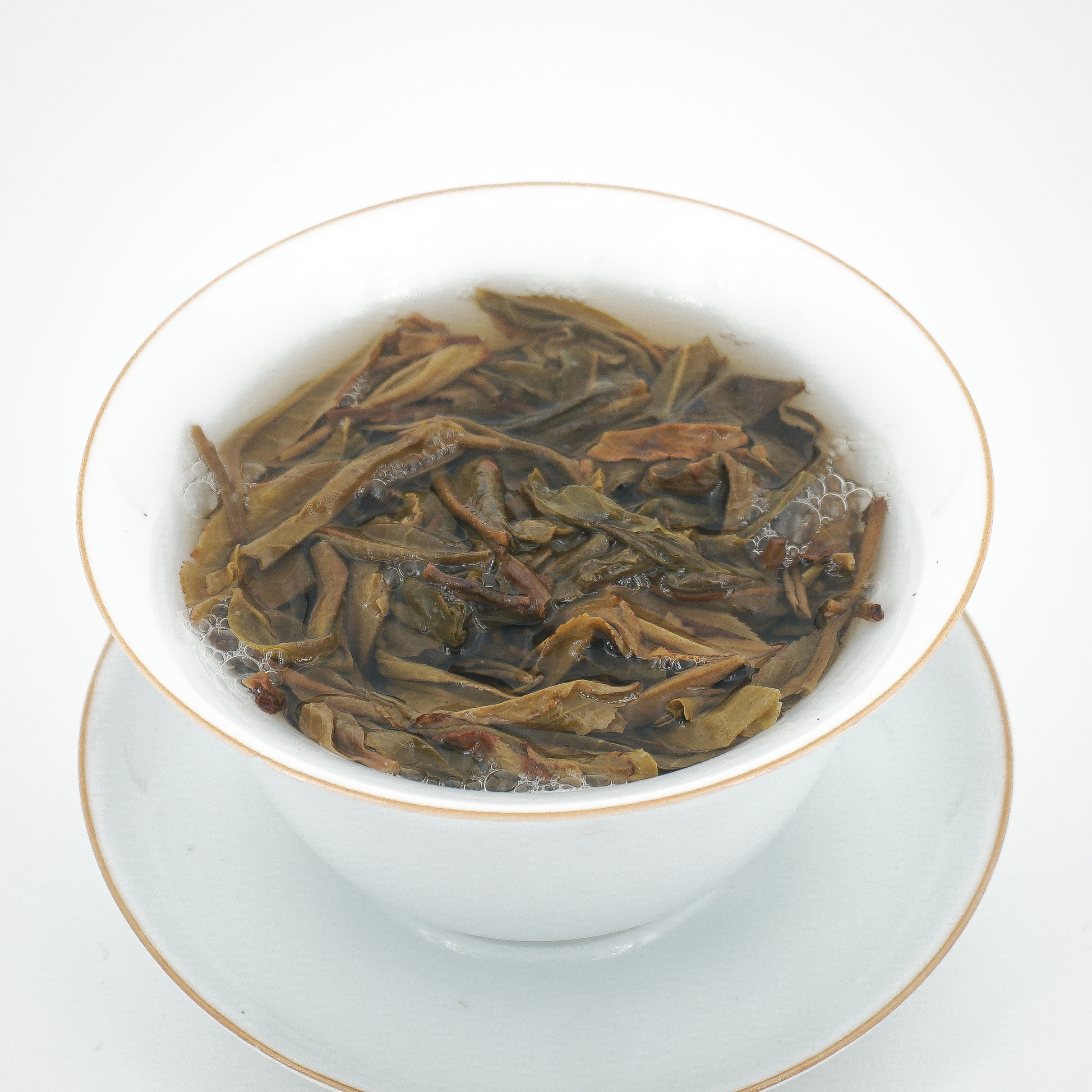
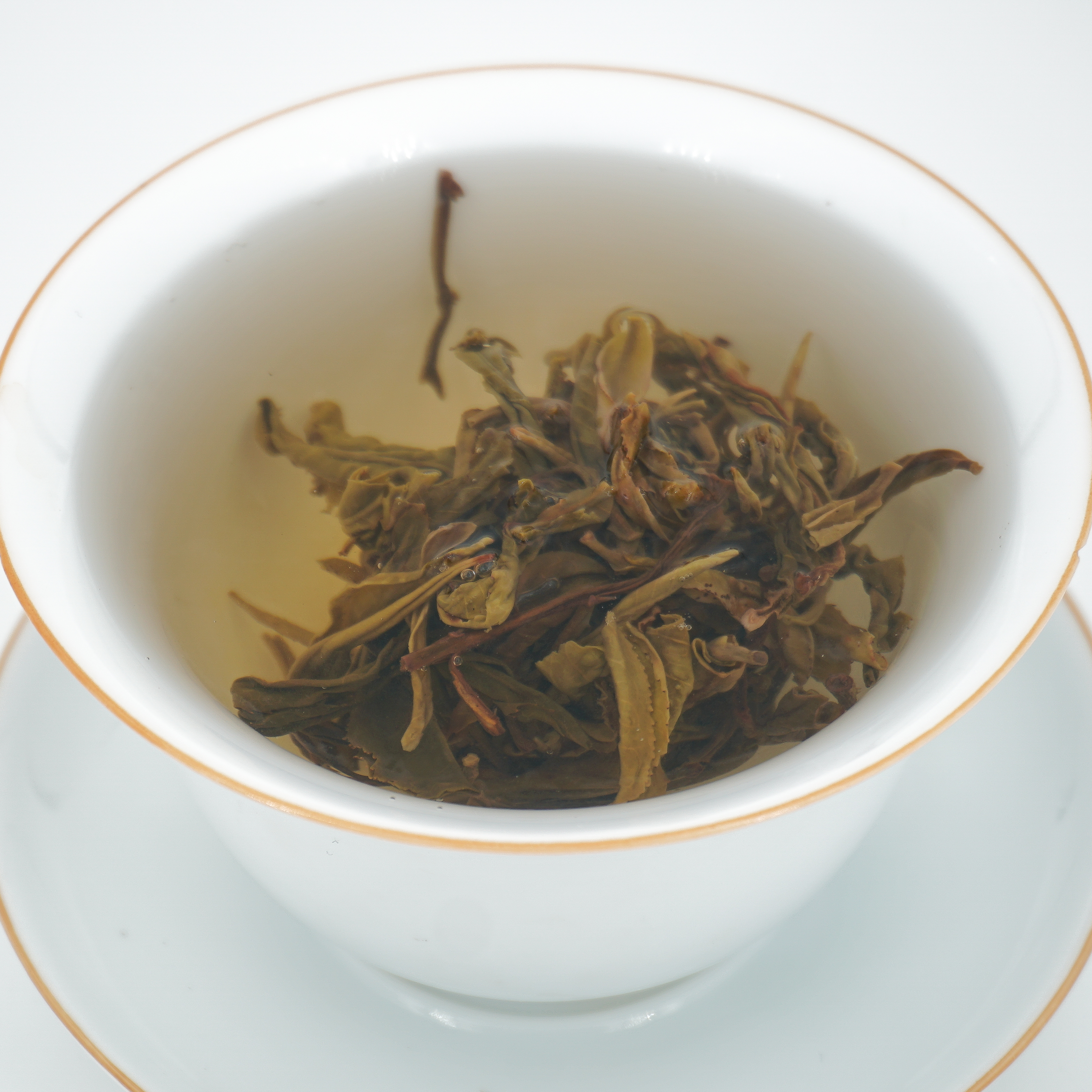
To prepare Hekai Raw Puer Tea, use one 8g pearl of tea for each serving. This size is ideal for creating a rich, balanced brew. A Gaiwan (Chinese lidded teacup) or a small teapot is recommended for optimal infusion, as it allows the leaves to unfurl fully and release their full flavor profile, while allowing you to control the time and temperature of each infusion. Feel free to review our Gongfu Tea Tutorial video.
For the best experience:
- Rinse the tea briefly with hot water (about 95°C) to wake up the leaves and warm the teaware.
- Brew for about 1 minute for the first infusion to further loosen the leaves out of their tightly rolled pearl shape. Subsequent brews can be around 15-30 seconds, with later infusions slowly increasing in length.
- Enjoy the bright, golden-yellow liquor that emerges and savor the smooth, floral taste with each sip.
Adjust the brewing time and temperature according to your taste preference. Multiple infusions are recommended, as the flavors evolve and deepen with each pour.
For a refresher on key principles of tea infusion in general see Chapter 5 of the Masterclass on Tea.
5. Possible Food Pairings with Hekai Raw Puer Tea
Hekai Raw Puer Tea’s nuanced flavor profile make it an excellent companion for a variety of foods. Below are some pairing suggestions, with explanations based on the tea’s unique characteristics:
- Lightly Grilled Seafood (e.g., shrimp, scallops, or white fish)
-
- The floral and honeyed notes of Hekai Raw Puer Tea complement the delicate, slightly sweet flavors of grilled seafood. The smooth, refreshing taste of the tea helps cleanse the palate between bites, balancing the natural saltiness of the seafood without overpowering it.
- Cheese (e.g., Brie, goat cheese, or mild blue cheese)
-
- The mild bitterness and full-bodied texture of Hekai Raw Puer Tea pair well with creamy cheeses. The tea’s natural sweetness helps cut through the richness of the cheese, while the complex aromas enhance the savory, earthy flavors.
- Fresh Spring Rolls with Herbs (Vietnamese-style or Thai spring rolls)
-
- The tea’s fresh, herbal notes are a natural match for light, herbaceous dishes like spring rolls. The combination of vegetables, mint, basil, and cilantro in the rolls resonates well with the tea’s floral aroma and its refreshing aftertaste.
- Nuts and Dried Fruit (e.g., almonds, cashews, figs, or apricots)
-
- The slightly astringent and full-bodied nature of the tea pairs well with the natural sweetness of dried fruits and the savory richness of nuts. The tea’s smooth texture complements the crunch of the nuts, while the floral notes enhance the natural sweetness of the fruit.
- Light Poultry Dishes (e.g., chicken with lemon or thyme)
-
- The fresh, citrusy elements of light poultry dishes are enhanced by the tea’s floral and herbaceous qualities. The slight bitterness of the tea provides a nice contrast to the lightness of the meat, while the lingering sweetness ties the flavors together.
In summary, Hekai Raw Puer Tea is a rich and vibrant expression of the natural beauty and cultural heritage of the region. From its ancient, high-altitude origins to its complex and evolving flavors, this tea is a wonderful choice for connoisseurs and newcomers alike. Whether you're savoring it on its own or pairing it with complementary foods, Hekai Raw Puer Tea promises an unforgettable experience.
Additional information
| Size | Sample Pack (3 Pearls), Full Bag (12 Pearls) |
|---|



Reviews
There are no reviews yet.