


2023 Bulang Raw Puer
Price range: $7.50 through $22.50
1. Background and Origin
Silky on entry. Bold through the finish. Sweetness that stays.
Bulang Shan lies in Menghai County, Xishuangbanna, near Yunnan’s border with Myanmar. One of puer’s celebrated mountain origins, it is home to generations of tea cultivation and a landscape closely connected to the tea traditions of the Bulang people.
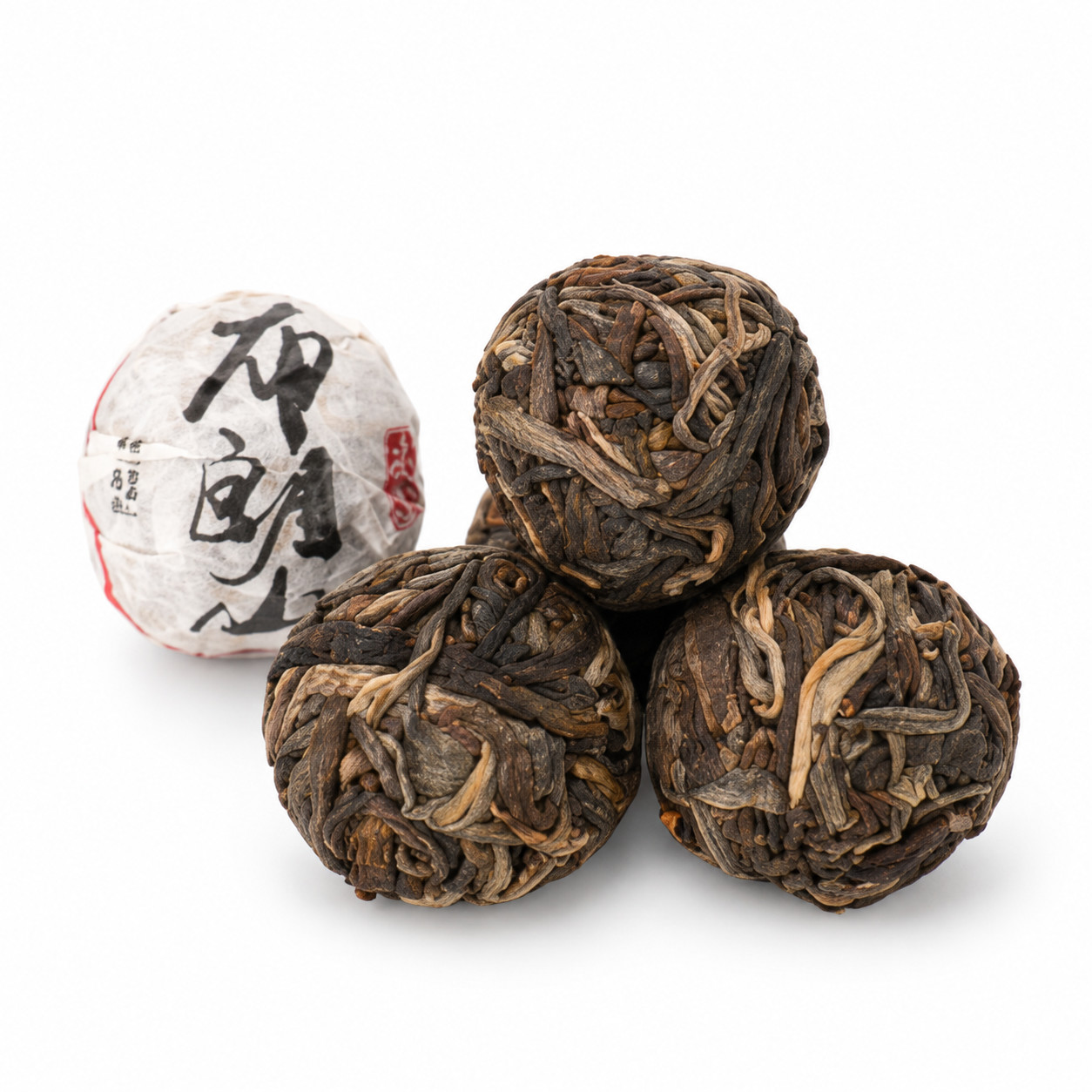
Selected from century-old, large-leaf tea trees, this 2023 raw puer captures Bulang Shan’s distinctive strength: substantial body, pronounced bitterness, and a powerful return of sweetness. It is a tea of movement and contrast, carrying you from a silky first impression through a brisk, gripping finish to a lingering, mouthwatering sweetness.
2. Processing
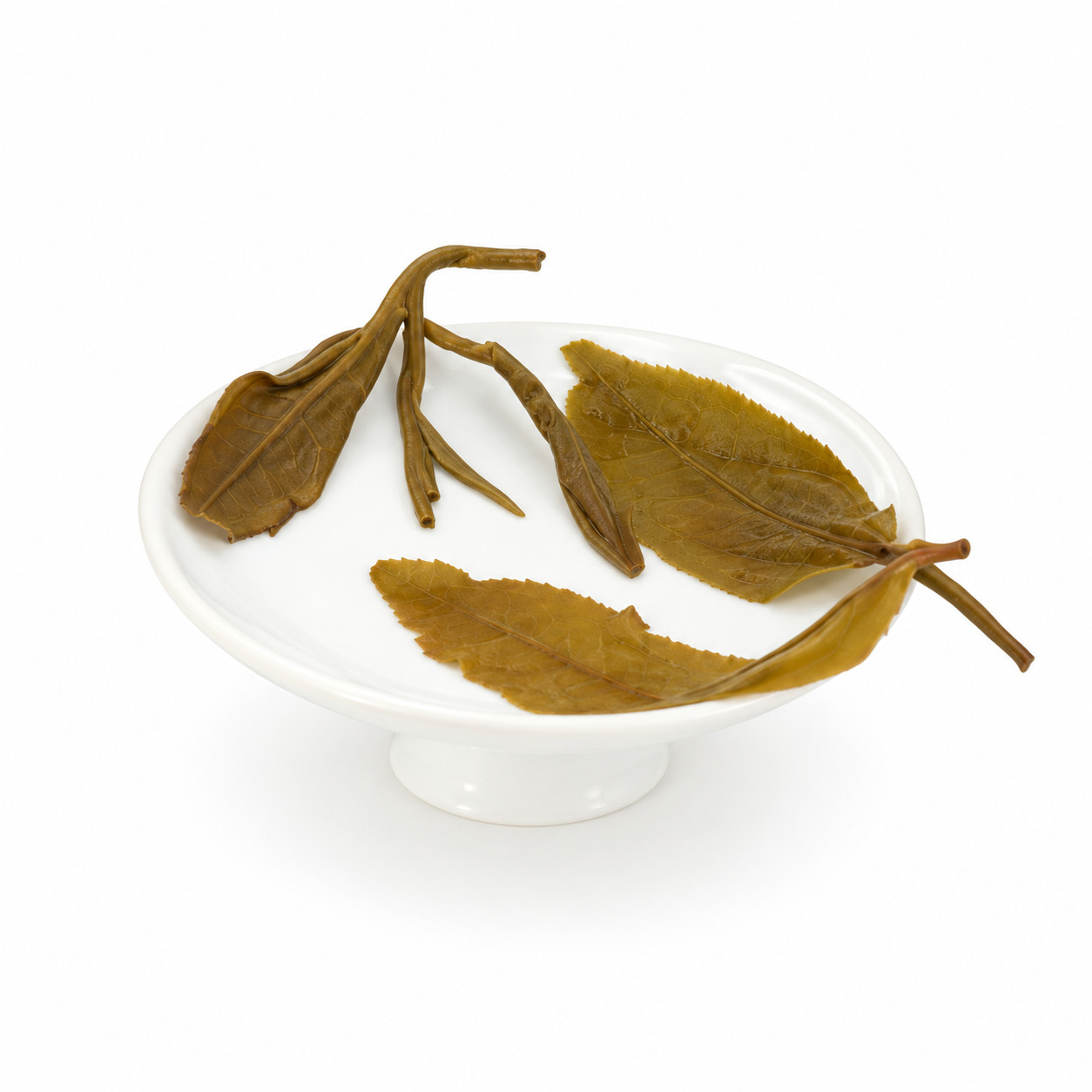
Traditional raw puer processing begins with withering, followed by sha qing: heating the fresh leaves to substantially reduce enzymatic activity. The leaves are then rolled and sun-dried to produce maocha, the foundation of raw puer.
This approach preserves the leaf’s bold character while allowing it to develop through natural aging. In this 2023 tea, fresh herbal aromas sit alongside warmer honey and caramel notes, offering a compelling expression of Bulang Shan’s youthful intensity.
For more details about Raw Puer Tea processing see Chapter 3 of the Masterclass on Tea.
3. Tasting Notes
Hay · Fresh herbs · Lemongrass · Honey · Caramel
Aromas of hay and fresh herbs open into bright lemongrass, with honey and caramel adding warmth and depth.
The first sip feels silky across the front of the palate, building into a full-bodied infusion with a crisp, tannic finish. Bitterness and astringency are unmistakable but pass quickly, making room for pronounced hui gan—the sweetness that returns after swallowing.
A strong mouthwatering response follows beneath the tongue and along the cheeks. The sweetness persists between sips, giving the tea a satisfying finish that remains vivid as the session unfolds.
For a refresher on tea quality assessment, see Chapter 4 of the Masterclass on Tea
4. Steeping Recommendations
Gongfu brewing
- Tea: 7g (1 pearl) per 100–120mL of water
- Vessel: A porcelain gaiwan or small clay teapot
- Water: 95–100°C / 203–212°F
- Rinse: Rinse briefly and drain completely.
- First infusions: Begin with 5–10 seconds for loose or separated leaves. Allow extra time if the tea is tightly compressed.
- Following infusions: Keep early steeps short, then gradually increase the time as the intensity softens.
Drain fully between infusions. Start at 95°C for a gentler balance of sweetness and grip, or use boiling water to explore the tea’s full body and aromatic strength. Short steeps let its bitterness resolve cleanly into sweetness.
For a refresher on tea infusion see Chapter 5 of the Masterclass on Tea
5. Food Pairings
Bulang Shan’s substantial body suits savory foods with some richness. Its herbal brightness and honeyed aromas offer several ways to connect flavors across the table.
- Cantonese roast pork belly: Crisp skin and rich meat match the tea’s intensity. Alternating bites with tea creates a pleasing contrast between succulent richness and brisk astringency.
- Lemongrass chicken: Lemongrass creates a direct aromatic connection, while browned skin complements the tea’s warmer caramel notes. Keep chili moderate so heat and tannic grip remain balanced.
- Aged Comté with a little honey: The cheese’s savory, nutty depth stands up to the full-bodied infusion. A restrained drizzle of honey echoes the aroma, while the creamy texture contrasts with the crisp finish.
- Lightly sweetened sesame biscuits: Toasted sesame complements the tea’s hay and caramel notes. Gentle sweetness offers a counterpoint to bitterness without overwhelming the lingering hui gan.
Additional information
| Size | Sampler (3 7g Pearls), Full Pouch (12 7g Pearls) |
|---|




Reviews
There are no reviews yet.