



Southern Ginger Dancong (Spring 2025)
Price range: $10.50 through $39.00
1. Background and Origin
The original name of this tea is Nan Jiang Xiang Dancong (南姜香单丛), meaning “galangal fragrance.” Galangal is a tropical rhizome in the ginger family (Zingiberaceae), widely used as a spice in Southeast Asian cuisine. Since galangal is not broadly familiar outside the realm of Asian cooking, we have translated the name using its more widely recognized botanical relative—ginger.
This tea is a distinctive variety of Phoenix Dancong Oolong, derived from a single selected plant within the Shui Xian cultivar group. It is cultivated in the Fenghuang Mountains of Guangdong Province, where the climate and elevation are ideal for the development of complex aromatic compounds during oolong tea production.
The name Nan Jiang Xiang originates from the tea’s signature spicy aroma, which closely resembles that of the local southern galangal root—a prized spice in Chaozhou (潮州) cuisine. To the Chaozhou people, southern galangal is more than a culinary ingredient; it is a deeply rooted cultural flavor, found in traditional dishes like 南姜甘草水果 (galangal-preserved fruit) and 南姜鸡 (galangal-marinated chicken). The evocation of galangal’s scent in this tea reflects a profound sensory and cultural connection, capturing the essence of Chaozhou life in a cup of oolong.
2. Processing
Southern Ginger Dancong follows the traditional multi-step Dancong processing method:
- Plucking: Late Spring season, when four tender leaves have emerged.
- Withering: After plucking, tea leaves are laid out partially in sunlight and partially in shade to reduce water content and initiate flavor formation processes.
- Yaoqing (Bruising by shaking): Promotes partial oxidation and the release of aromatic precursors, creating the distinct aroma of Dancong Oolong.
- Fixation (Shaqing): Arrests oxidation at the ideal stage to preserve its signature flavor.
- Rolling and Drying: Shapes the tea into tightly curled strips and reduces moisture for storage.
The processing aims to preserve the “natural galangal aroma” while also bringing out a full-bodied, spicy sweetness that defines this Dancong.
For a DEEP DIVE on Dancong Oolong Tea processing, see our Oolong Tea Processing: Crop to Cup video
3. Tasting Notes
- Dry Leaves: Tightly curled, stout strips with a lustrous brownish-black hue.
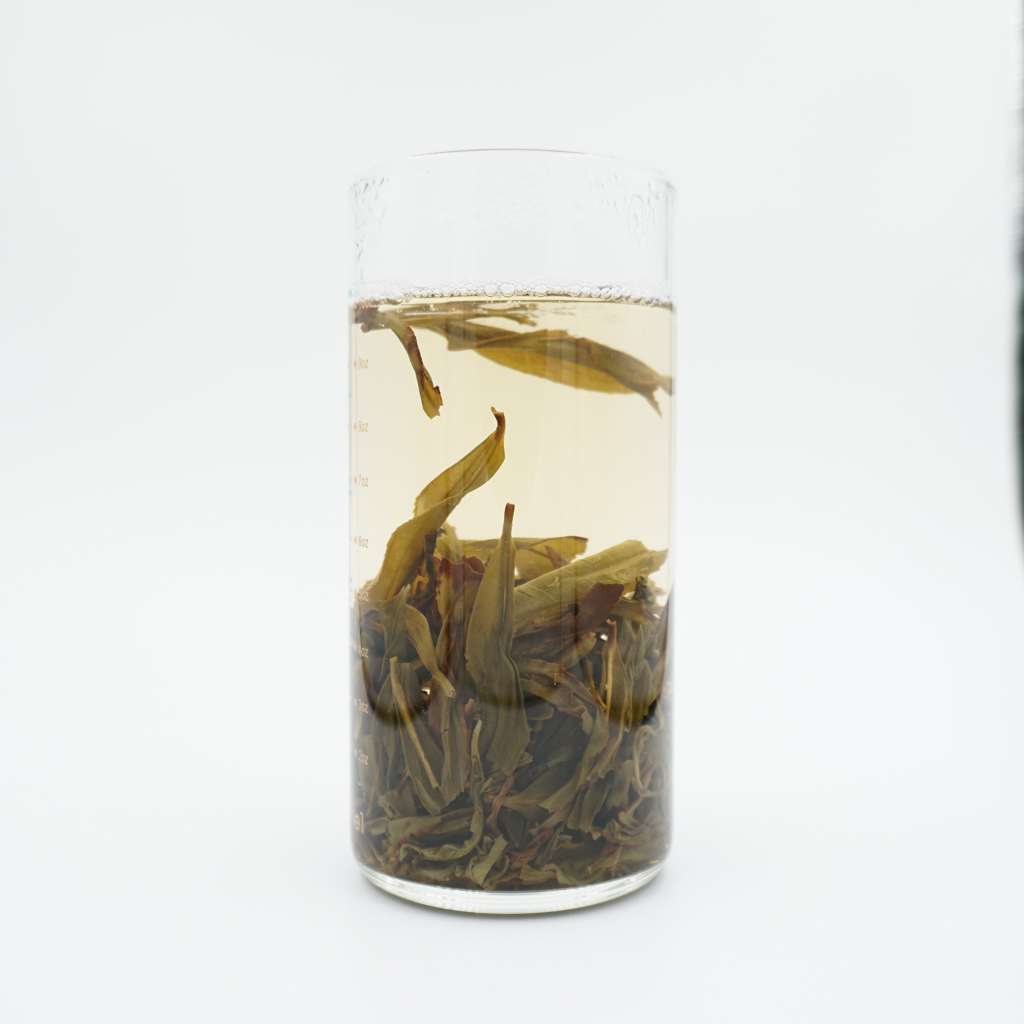
- Liquor: Bright golden-orange, exceptionally clear and luminous.
- Aroma: Highly aromatic, marked by unmistakable notes of ginger and cinnamon spice fragrances interwoven with floral notes; the scent is penetrating yet refined.
- Taste: Rich, smooth, and rounded with a unique spicy edge. Sweetness emerges on the finish, with layers of huigan (returning sweetness) and salivation that build steadily. The tea leaves a distinct warmth in the mouth.
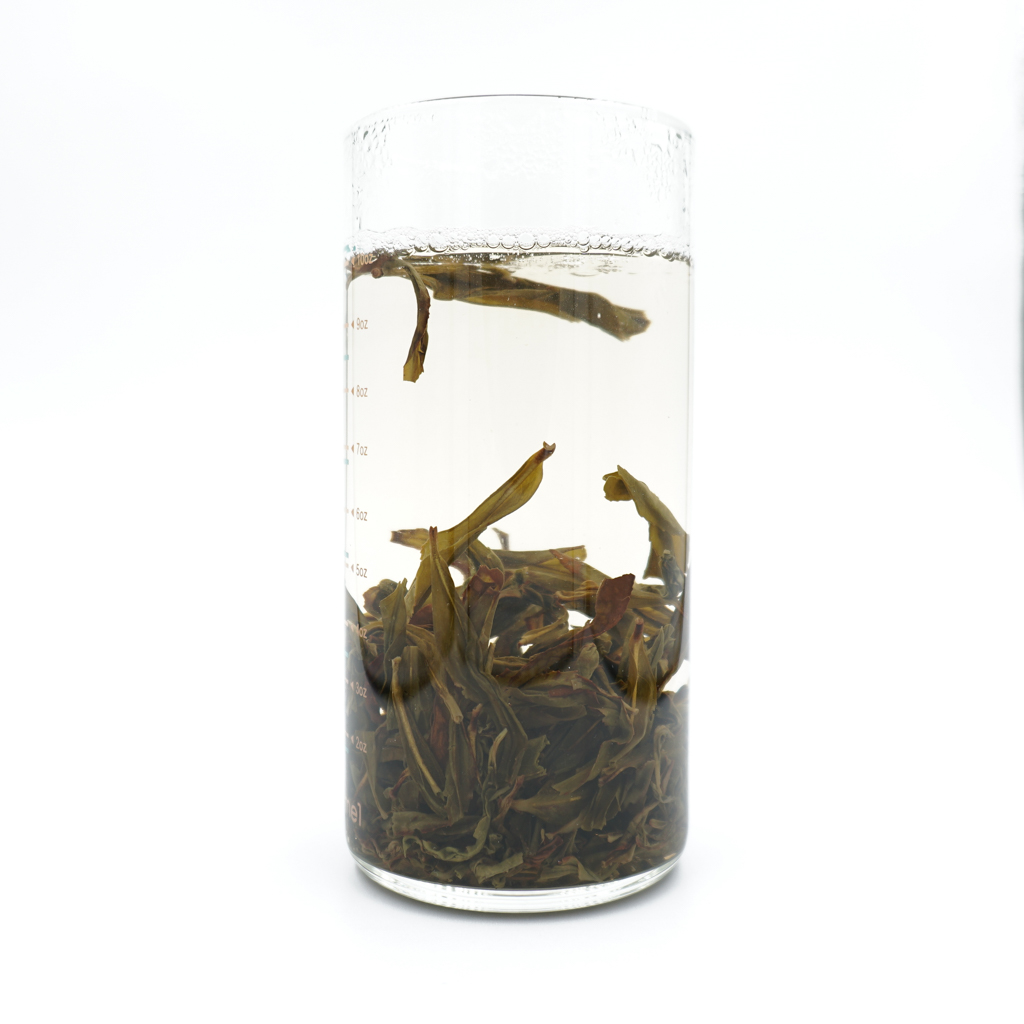
- Leaf Base: Green leaves with reddish edges and a yellow-hued midrib; uniformly soft and intact.
This tea exhibits strong persistence in both aroma and flavor, with a spicy, floral complexity that captivates the senses across multiple infusions.
For a refresher on tea quality assessment, see Chapter 4 of the Masterclass on Tea
4. Steeping Recommendations
For optimal experience, brew Souther Ginger Dancong using the Gongfu tea ceremony:
- Water temperature: 95–100°C
- Leaf-to-water ratio: 6–8g per 100ml
- Rinse *optional*: Quick rinse to awaken the leaf (about 2–3 seconds)
- Steeping time: Start at 8–10 seconds, increasing with each infusion
This tea is highly resilient, offering 6–9 infusions with evolving character. Use thin-walled porcelain or Chaozhou clay teaware to enhance the clarity and spice of the aroma.
See this video for a 5 min tutorial on preparing tea in the Chaozhou Gongfu Tea Style.
Or, for a refresher on tea infusion in general see Chapter 5 of the Masterclass on Tea
5. Food Pairings
Based on its bold spicy-sweet profile and rich texture, Southern Ginger Dancong pairs especially well with:
- Chaozhou cuisine: such as marinated cold chicken (南姜鸡), or preserved fruit (甘草水果), which mirror its cultural roots and flavor profile.
- Spiced nuts or candied ginger: complement the tea’s warming galangal character.
- Dark chocolate or salted caramel desserts: the tea’s spice and body stand up well to deeper, sweet-savory confections.
- Savory pastries or roasted duck: dishes with umami depth pair beautifully with the tea’s intensity and lingering aftertaste.
Additional information
| Weight | N/A |
|---|---|
| Size | 20g Sampler, 100g Bag |


Reviews
There are no reviews yet.